
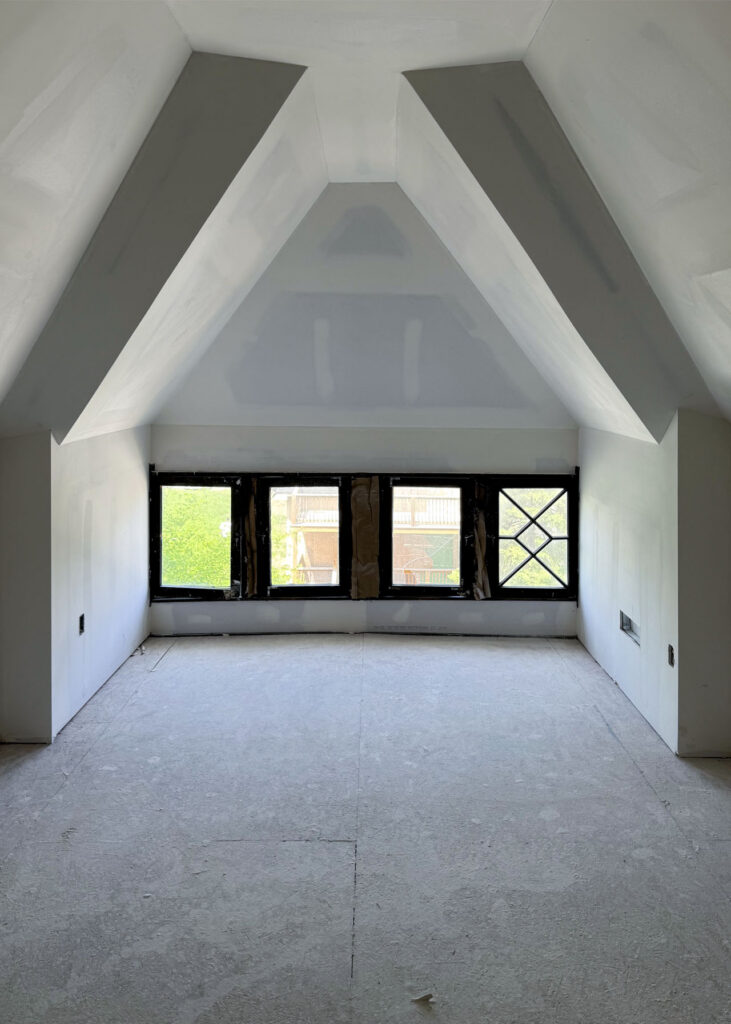
A vacant property sitting idly may inspire ghost stories the longer it remains empty. But there’s something much scarier than ghosts right around the corner! Every day a unit sits empty, property owners are not only missing income- they face the reality of covering fixed expenses like mortgage payments, taxes, insurance, and utilities.
In an ever-changing urban market like Indianapolis – where rents have risen but leasing timelines can fluctuate – this gap becomes even more pronounced, especially if pricing or marketing isn’t dialed in. What initially presents as a short vacancy can quickly snowball into thousands in lost revenue.
Understanding the true cost of vacancy and how commercial property managers like CityPlace help minimize downtime is essential for protecting cash flow and maximizing long-term ROI.
What Vacancy Really Costs Rental Owners
Lost Rental Income
The most immediate impact of vacancy is straightforward: no tenant means no rent. When you multiply your monthly rent by the number of days or months a unit sits empty, the losses add up quickly.
For example, a $1,500/month property vacant for just 2 months – a realistic possibility the second that vacancy enters the picture – results in $3,000 in lost income. Stretch that to 90 days, and the property owner is suddenly out $4,500.
But, of course, your property won’t sit empty for two months. Right? Don’t be so sure. Apartment List’s January 2026 leasing benchmark report found that in the first month of the year the median time from listing to lease for U.S. apartment units reached 41 days – the highest recorded since 2019. Anything can happen.
Carrying Costs Don’t Stop
Even when your property is vacant, the bills don’t pause. Mortgage payments, property taxes, insurance premiums, and basic utilities still need to be covered each month, regardless of whether rent is coming in.
This creates a gap where expenses continue but income disappears, resulting in immediate negative cash flow. The longer a unit sits empty, the more those fixed costs eat into margins like termites to wood, turning what might have been a profitable investment into a short-term financial albatross.
Turnover and Make-Ready Expenses
Every vacancy also comes with the cost of getting the unit ready for the next tenant. That typically includes cleaning, minor repairs, repainting, and sometimes larger fixes to keep the property competitive.
Leasing and marketing expenses are right around the corner as well.. These costs can quickly add up, meaning you’re actively spending more to fill the vacancy. Of course, while ideally a property owner avoids vacancy, this is where a commercial property manager such as CityPlace can help lighten the workload.
Hidden Opportunity Cost
One of vacancy’s most insidious and corrosive pitfalls is the opportunity cost of losing the potential value of what the investment could have earned over time.
Consistent rental income can be reinvested, used to pay down debt faster, or leveraged into additional properties. When that income stream is interrupted, those opportunities dry up. Over multiple vacancies, these gaps compound ferociously, reducing long-term returns and slowing portfolio growth in ways that aren’t always immediately visible but add up significantly over time.
Why Vacancies Happen in Indianapolis Rentals
Seasonal Demand Fluctuations
Leasing activity often slows in Q1, when fewer renters are moving, leading to longer days on market and increased vacancy risk.
Pricing Misalignment
Even in a growing market, overpricing can push qualified renters away, extending vacancy despite strong demand.
Poor Marketing Exposure
Limited or low-quality listings reduce visibility, shrinking your applicant pool and slowing leasing.
Inefficient Tenant Screening
Weak screening can result in higher turnover, creating a cycle of frequent vacancies.
Slow Maintenance & Turnover Times
Delays in repairs or make-ready work extend the gap between tenants, increasing downtime and lost income.
Vacant Properties Can Attract Criminal Activity
Empty homes are more vulnerable to break-ins, vandalism, theft of appliances and more, as well as unauthorized occupancy. Even a single incident can lead to costly repairs, insurance claims, and additional delays in getting the property leased.
The True Impact: How Vacancy Eats Into ROI
EXAMPLE BREAKDOWN
- 2-month vacancy on $1,500 unit = $3,000 lost income
- Add ~$1,000+ in turnover/maintenance
- Total hit: $4,000+ annually
How Indianapolis Rental Property Managers Reduce Vacancy
Rental property managers reduce vacancy by tightening every stage of the leasing cycle, from pricing to renewal, so units spend less time sitting empty and more time generating income.
Strategic Pricing Based on Local Data
Rather than guessing or relying on outdated comps, managers use real-time market data to set rent at the optimal level. This helps avoid overpricing, which can stall leasing, while still maximizing returns in a competitive Indianapolis market.
High-Visibility Marketing
Professional managers distribute listings across multiple high-traffic platforms and optimize presentation with strong visuals and accurate descriptions. This broader exposure increases inquiry volume and attracts more qualified tenants faster.
Faster Turnaround Between Tenants
Efficient coordination of cleaning, repairs, and inspections shortens the make-ready process. By eliminating downtime between leases, managers reduce “days on market” and keep cash flow consistent.
Tenant Retention Strategies
Strong communication, proactive maintenance, and responsive service improve tenant satisfaction. Happy tenants are more likely to renew leases, reducing turnover frequency and long-term vacancy risk.
Streamlined Leasing & Screening
Property managers implement standardized screening processes and faster approval workflows. This ensures qualified tenants are placed quickly while minimizing risk, helping owners avoid repeated vacancy cycles and unstable occupancy.
Final Thoughts: Vacancy Is More Expensive Than You Think
Vacancy isn’t a static loss. It compounds quickly. Each day a unit sits empty, property owners lose rent and absorb ongoing carrying costs, while potentially incurring turnover expenses. Over time, these gaps in occupancy can significantly erode annual returns and weaken overall portfolio performance. What may feel like a short-term inconvenience often becomes a measurable long-term financial drag.
This is why professional management with CityPlace should be viewed less as an operating expense and more as ROI protection.
Experienced property managers focus on minimizing downtime, optimizing pricing, and keeping tenants longer. With little effort on the part of the property owner, this directly preserves revenue that would otherwise be lost to vacancy. CityPlace’s offerings are designed to keep properties consistently occupied and financially efficient.
If your Indianapolis rental is sitting vacant, or you want to prevent it proactively, partnering with experienced rental property managers can make the difference between fluctuating income and stable, predictable returns.