
Indiana Eviction Process:
A Complete Guide for Property Managers
Understanding the eviction process is an essential part of managing rental properties responsibly and legally for professionals involved in Indianapolis property management. While eviction is often a last resort, property managers must know the ins and outs of the process in order to protect property owners, respect tenant rights, and remain compliant with Indiana law.
These laws are no different for property management in Indianapolis, Carmel, Indiana, or anywhere in between. Having a clear understanding of eviction laws can help prevent costly mistakes, and a well-managed eviction process reduces legal risk, preserves professional relationships, and ensures that properties continue to operate efficiently.
In general, Indiana is a landlord-friendly state. From start to finish, a standard eviction takes about 40 days to remove the tenant from your property. Although there are instances where this may take longer, on average this tends to be the norm.
In this guide, we’ll go over a comprehensive overview of the Indiana eviction process, including legal requirements, timelines, tenant rights, and best practices for rental property managers operating in the Indianapolis area.
Step-by-Step Indiana Eviction Process for Property Managers
Understanding Indiana tenant rights eviction is crucial for both tenants and landlords navigating the legal landscape. There are three major things to keep in mind: the types of eviction notices that are served in the first step of the process, the court order and legal process, and the procedures that stem from post-judgement.
These formal notices, court filings, and adherence to legal protocols ensure a structured eviction process that maintains a balance between landlords and tenants.
Step 1: Legal Notice of Property Eviction in Indiana
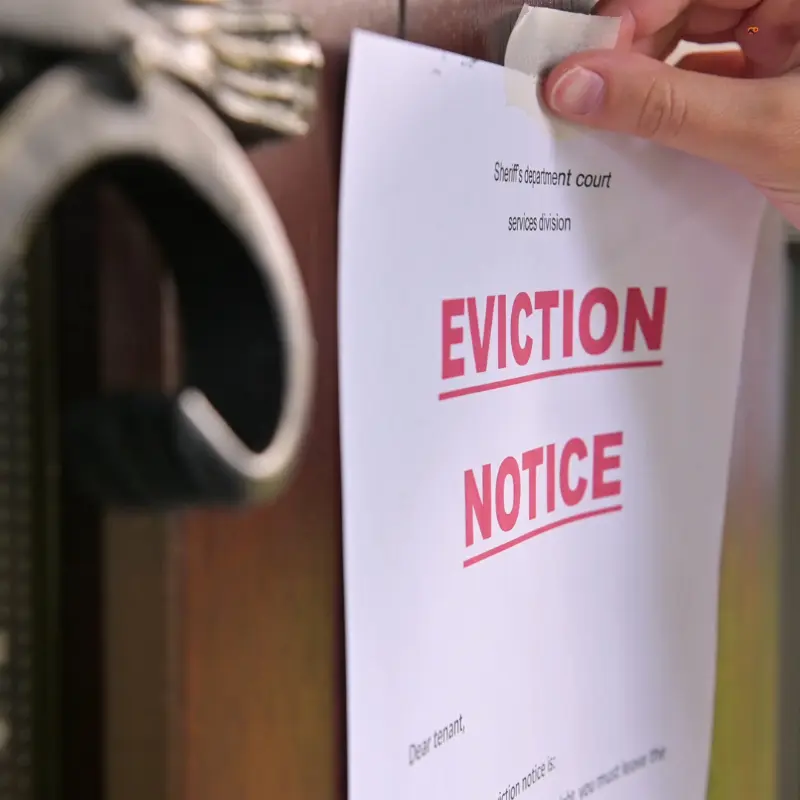
The first step of the eviction process in Indiana is the notice of eviction. There are several types of notices:
- Notice to Pay Rent or Quit: Tenants are served a notice to pay rent or else vacate the property. These are often served as 10-day notices, though month-to-month tenancy may see a 30-day notice.
- Notice to Cure or Quit: Tenants are served a notice to address non-monetary lease violations, such as property damage or unauthorized pets.
- Unconditional Quit Notice: This requires the tenant to vacate the property without any opportunity to cure the violation. It is generally used for serious lease violations or illegal activity and is considered the most severe type of eviction notice.
- Notice of Termination of Tenancy: There are many forms of a termination of tenancy on a property. While a cure or quit offers tenants a final chance to fix a lease violation, a termination of tenancy generally ends the lease entirely.
- Notice of Termination of Tenancy for Nonpayment of Rent: Similar to a standard termination of tenancy, it specifically refers to the inability of the tenant to pay rent.
Step 2: Court Order for Property Eviction
Should a tenant fail to comply with the property eviction notice, the landlord or property manager may file an eviction lawsuit in court. Eviction cases in Indiana are generally filed in local county courts.
Filing a complaint: When the landlord files a complaint, there are several things to consider in the complaint document. First and foremost, the property owner, whether in Indianapolis or surrounding areas such as Carmel, Greenwood, and Beech Grove, must provide detailed evidence supporting the eviction. Documentation should include a copy of the lease agreement, evidence of the violation, and evidence of the notice given to the tenant.
Court hearing: Filing the complaint officially starts the court’s involvement. The court will schedule a hearing where both parties can state their case. Depending on the type of eviction, the tenant has up to 20 days to prepare their defense. Property managers should come prepared with lease agreements, payment records, written notices, and all communications with the tenant. Finally, the judge will evaluate the evidence to determine if the eviction has legal justification.
Order for Possession: If the court favorably sides with the property manager or landlord, the judge may issue an order for possession. This requires the tenant to vacate the property within a certain time frame. Law enforcement may be necessary should the tenant refuse to leave the property, though most tenants voluntarily leave following a court order.
Step 3: Post-Judgment Procedures
The post-judgement phase in Indiana is—hopefully—a peaceful process for all involved. These steps include a writ of possession, a timeline for moving out, and the handling of tenant belongings.
Writ of Possession: Following a favorable court ruling, the landlord or property manager will receive a writ of possession, which authorizes law enforcement to oversee the tenant’s removal. It is very important to remember that landlords do not have the power to evict the tenant themselves!
Move-out timeline: Indiana law states that tenants usually have 7-14 days to vacate, which means tenants must take it upon themselves before the court judgement to prepare in case they are required to vacate. Law enforcement can enforce the writ of possession following this short time frame if the tenant does not leave.
Tenant belongings: Landlords are required by Indiana law to handle a tenant’s belongings with care. Any items left behind can be obtained via a court order before the landlord or property manager can dispose or move them. These items should be stored in a storage unit or warehouse, and the tenant must be notified that they have 90 days to retrieve the items. The tenant may also be responsible for storage costs. The storage facility may sell the items if the tenant does not collect them within the 90-day period.
CityPlace is revolutionizing Rental Management in Central Indiana with a $60/month Flat Fee.
Typical eviction timeline in Indiana:
Notice to pay rent
10 Day notice, or Immediately per language in lease
Court filing
1-2 days after Notice to Pay rent has lapsed
Court Hearing
15-20 days from Filing Date
Possession Order
7 -14 Days
Illegal Eviction Practices Property Managers Must Avoid
While property managers have many rights when it comes to the eviction process, they do not have carte blanche to do whatever they want. Engaging in any of the following practices could lead to severe legal consequences and should be avoided at all costs.
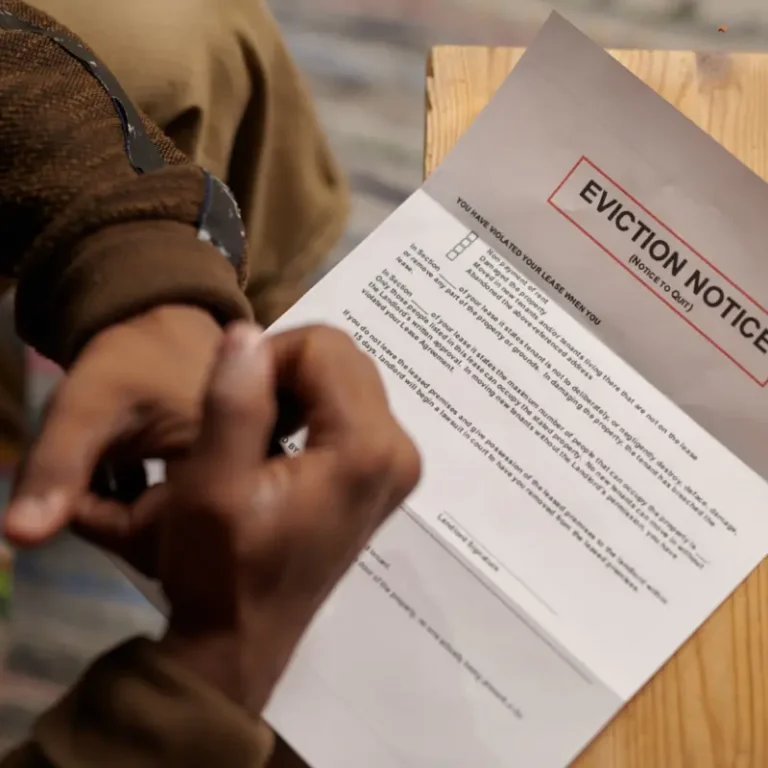
A landlord or property manager is not legally allowed to force a tenant from the property via their own self-held solutions. For example, a property manager cannot change the locks or add a new deadbolt, nor can they remove doors or windows.
Additionally, property managers cannot shut off essential utilities such as water, gas, or electricity. And removing the tenant’s personal belongings from the property without consent is strictly prohibited. The rules are the same for a property manager in Indianapolis, Greenwood, or Carmel, Indiana. Failure to follow could lead to financial penalties and more.
How Property Managers Can Prevent Evictions in Indianapolis
Evictions are sometimes unavoidable no matter what the property manager does, but it may be beneficial to prevent evictions as much as possible to maintain good relations between tenants, prospective tenants, and property owners.
Comprehensive tenant screening: Thorough screening helps property managers from all over the state of Indiana identify and engage with reliable tenants. Credit checks, employment verification, background checks, and property rental history reviews can turn up crucial information.
Clear, concise lease agreements: While it is certainly on the tenant to read and review their lease agreement, making these agreements as legible as possible can help property managers avoid difficulties and misunderstandings later on. It may be beneficial to work with legal experts to develop standardized lease documents.
Early communication, consistent documentation: Many eviction situations can be resolved through early communication before they escalate into legal disputes. Meanwhile, property managers should maintain detailed records of all tenant interactions, payments, and notices. Good documentation protects property managers and landlords.
Final Thoughts on Indiana’s Rental Property Management Eviction Process
Understanding the intricacies of the eviction process in Indiana is crucial for anyone involved in Indianapolis property management. By following proper legal procedures, property managers can navigate eviction situations effectively while maintaining compliance with state laws.
Every step in the eviction process requires careful attention to detail, whether you’re providing proper notice to tenants or you’re attending court hearings and enforcing possession orders. Property managers must balance legal obligations with tenant rights while protecting the interests of property owners.
For organizations involved in rental property management, from Indianapolis property management to Carmel property management to areas such as Irvington or Beech Grove, staying informed about eviction laws and best practices ensures smoother operations and fewer legal risks.
Ultimately, a thorough understanding of eviction procedures allows property managers to resolve disputes professionally, maintain stable rental properties, and support the long-term success of real estate investments throughout the Indianapolis region.
CityPlace has you covered.
Our all-encompassing services, swift maintenance, and expert brokersmaximize the potential of your investment. Our commitment extends beyond managing properties—we foster successful investments while simplifying your ownership journey.
CityPlace provides transparency, efficiency, and a personalized touch with every interaction.
Our owners have over thirty years of combined experience in Rental property management and rental ownership.
FAQs: The Indiana Rental Property Eviction Process
How much notice must a property manager give before filing an eviction in Indiana?
In most cases involving unpaid rent, Indiana law requires landlords to provide tenants with a 10-day notice to pay rent or vacate before filing an eviction lawsuit. This notice gives the tenant an opportunity to resolve the issue before legal proceedings begin.
Can a property management company evict a tenant without going to court in Indiana?
No. Indiana law requires landlords to obtain a court order before evicting a tenant. Landlords cannot legally remove tenants or force them out without following the judicial process. Attempting to evict a tenant without a court order is considered an illegal eviction.
How long does the eviction process take in Indiana?
The timeline for eviction varies depending on court schedules and whether the tenant contests the case. However, a typical eviction timeline may look like this:
- Notice period: about 10 days
- Court filing and scheduling: 1–2 weeks
- Court hearing: often within 10–21 days of filing
- Possession order enforcement: within several days after judgment
In straightforward cases, the entire process can take approximately three to eight weeks, though delays can occur if the tenant challenges the eviction.
What rights do tenants have during the eviction process?
Tenants in Indiana have several important legal rights during eviction proceedings, including:
- The right to receive proper written notice
- The right to attend an eviction hearing
- The right to present evidence and legal defenses
- The right to remain in the property until a court orders removal
These protections are established under Indiana landlord-tenant laws and help ensure that eviction cases are resolved fairly through the court system.
Are these rules the same for Indianapolis and surrounding areas such as Carmel, Greenwood, and Beech Grove?
Yes, these laws and processes are consistent with Indiana state law, across all areas and regions regardless of whether its property management in Carmel or Greenwood or any surrounding neighborhood.
The CityPlace Rental Portal provides convenient, 24/7 access to information about your property, wherever and whenever you need it. Rental Management made easy!
Here’s what our clients have to say.
Learn more about CityPlace and the Indianapolis eviction process
CityPlace has everything you need to learn about rental property management in Indianapolis. Contact Keith, Amanda, and Josh at any time in order to understand the entire Indianapolis property management ecosystem.
CONNECT WITH OUR TEAM
Looking for your dream rental? This isn’t the form for you–click here to fill out a rental form!